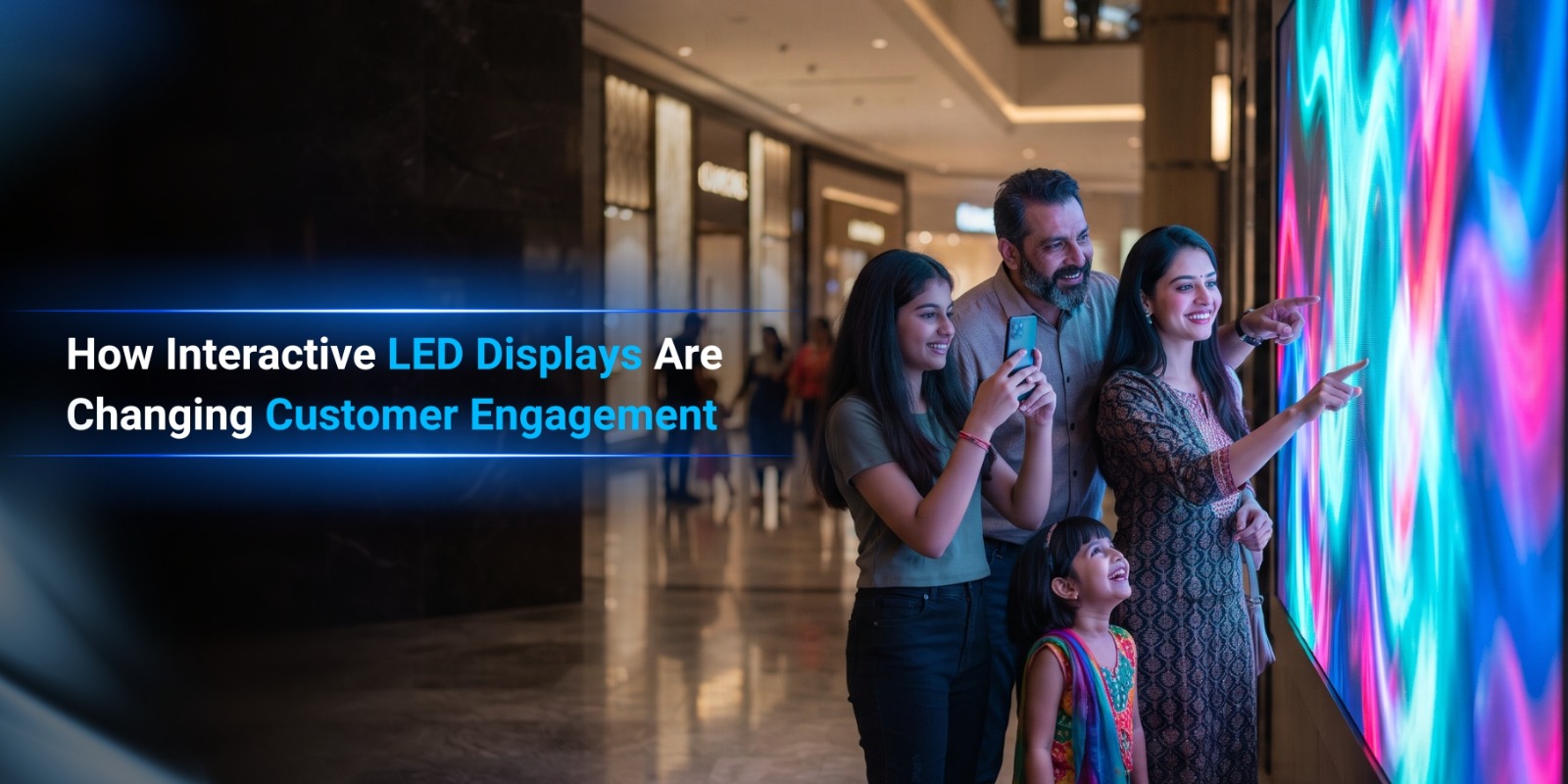
How Interactive LED Displays Are Changing Customer Engagement?
In a world dominated by fast-evolving technology and an insatiable demand for captivating experiences, customer engagement has taken center stage. Static advertising and passive screens no longer captivate modern audiences. Enter Interactive LED Displays — a groundbreaking innovation transforming marketing, retail, education, and corporate environments.
At UltraLED Displays, we are redefining how brands connect with audiences by combining ultra-high-definition visuals with seamless touch-and-motion interaction. In this blog post, we’ll explore why interactive LED displays represent the next frontier in customer engagement, their benefits, real-world applications, and key considerations for integrating them into your business strategy.
What Are Interactive LED Displays?
Interactive LED Displays are advanced digital screens that respond to user input through touch, gestures, proximity, motion sensing, or mobile integration. Unlike traditional displays that passively present information, interactive LEDs create two-way communication between brands and their audiences.
Primary Interaction Methods
- Touchscreen Capabilities: Multi-touch precision lets single or multiple users navigate menus, explore product details or manipulate visuals directly on screen.
- Motion Tracking Sensors: Infrared and camera sensors detect nearby movement, triggering interactive content as people walk by.
- QR Code and Mobile Device Synergy: Seamlessly connects a viewer’s smartphone to the large-format display for personal interaction, direct control, or content downloads.
- Gesture Recognition: Touchless interaction technology lets users navigate menus and control visuals using simple hand gestures.
- Augmented Reality (AR) Overlays: Merges live camera feeds with virtual objects, enabling virtual try-ons, product previews, and interactive storytelling.
By transforming viewers into active participants, these displays create memorable, personalized experiences that foster deeper brand loyalty and long-term engagement.
Why Interactive LED Displays Matter in 2025 and Beyond
1. Elevating Customer Expectations
Today’s consumers crave immersive, hyper-personalized experiences. An interactive LED display invites audiences to engage on their own terms, making them feel valued, heard, and involved in the brand narrative.
2. Standing Out in a Crowded Market
With advertising clutter at an all-time high, brands must innovate to command attention. High-brightness, bezel-less interactive LED walls offer a dynamic way to stop foot traffic in its tracks and leave lasting impressions.
3. Data Collection and Insights
Interactive LED solutions do more than display visuals—they gather crucial operational data. These displays capture valuable metrics on user interactions, dwell time, popular content and customer preferences, giving businesses actionable insights to refine marketing and service strategies.
4. Boosting Conversion Rates
Interactive experiences naturally extend engagement time, boost brand recall, and form stronger emotional connections. These critical factors directly translate into higher conversion rates, whether on the retail floor or at trade events.
The Value of All-in-One Displays for Business Integration
When implementing high-impact interactive visual solutions, deployment complexity can often be a bottleneck. This is where All in One displays come into play.
Modern All in One displays streamline hardware and software architecture by consolidating power systems, control units, speakers, and interactive modules into a single, sleek enclosure. Rather than managing separate controllers, wiring harnesses, and external media players, businesses can deploy plug-and-play interactive visual hubs efficiently.
At UltraLED Displays, our All in One displays combine cinema-grade visual performance with energy-efficient Common Cathode architecture and ultra-durable Protective COB (Chip-on-Board) technology. This delivers ultra-low-latency touch response, native black uniformity, and a bezel-less visual surface while cutting operating power consumption by up to 30%.
Key Benefits of Interactive LED Displays
- Immersive Storytelling: Enables brands to build multi-layered narratives that customers can navigate independently at their own pace.
- Customised Personalization: Delivers customized content, product recommendations, and interface adjustments based on real-time user input.
- Extended Engagement Time: Interactive elements encourage visitors to spend significantly more time at the screen, increasing exposure to core brand messaging.
- Organic Social Sharing: Fun, unexpected AR and touch interactions generate high shareability on social platforms, expanding reach organically.
- Competitive Differentiation: Early adopters of advanced interactive display technology instantly position themselves as innovative market leaders.
Applications of Interactive LED Technology
1. Retail Environments
- Virtual try-on stations for fashion, footwear, and cosmetics.
- Interactive store navigation maps and self-service product locators.
- Personalized product builders that let customers customize items on a large format canvas.
2. Events and Trade Shows
- Gamified interactive contests and touch-driven leaderboards.
- Live social media aggregation walls that respond to attendee posts.
- Real-time audience polling, interactive Q&As, and live survey stations.
3. Museums and Educational Institutions
- Immersive historical timelines and interactive regional maps.
- Hands-on educational exhibits designed for gamified learning.
- Touch-enabled digital archives allowing users to inspect high-resolution artifacts.
4. Hospitality and Entertainment
- Self-service interactive hotel check-in and concierge kiosks.
- Touchscreen dining menus with real-time allergen and nutritional filters.
- Dynamic wayfinding displays across shopping centers, transit hubs, and airports.
5. Corporate Environments
- Touch-enabled video conferencing and collaborative brainstorming walls.
- Dynamic, interactive welcome displays in corporate lobbies and executive briefing centers.
- Interactive dashboards for real-time data visualization during board meetings.
Designing an Effective Interactive LED Experience
- Know Your Audience: Understand your target demographic's goals, behaviors and comfort levels before designing the user workflow.
- Keep It Intuitive: Touch and gesture navigation should feel completely natural. Overly complex or multi-layered menus quickly alienate users.
- Focus on Value: Make sure every interaction serves a clear purpose—whether it provides instant information, unlocks a special offer or entertains the user.
- Ensure Accessibility: Build user interfaces with adjustable heights, clear contrast ratios, and accessible touch zones for individuals of all abilities.
- Incorporate Real-Time Feedback: Provide instantaneous visual or audio feedback when a screen area is touched or a gesture is recognized to confirm the input.
Key Considerations Before Implementation
- Hardware and Durability: Select displays with high brightness, wide viewing angles, and rugged protective coatings (such as moisture, dust, and anti-collision engineering) to withstand continuous public use.
- Software and Content Strategy: The physical display is only as strong as its software. Plan a dynamic content strategy capable of evolving based on analytics and seasonal shifts.
- Maintenance and Support: Interactive touch surfaces require ongoing calibration, system updates, and physical cleaning. Partner with a manufacturer offering comprehensive after-sales support networks.
- Data Security and Privacy: If collecting user information or analytics, implement robust encryption protocols and ensure strict compliance with regional privacy laws.
- Budget and Total Cost of Ownership: Factor in initial setup costs against long-term energy savings and overall return on investment driven by user engagement metrics.
Emerging Trends Shaping Interactive LED Displays
- AI-Powered Personalization: Cameras and machine learning algorithms customize visual content in real time based on demographic data and user engagement history.
- Contactless & Gesture Controls: Advanced motion sensors make touchless navigation smoother and more precise, supporting hygienic public interaction.
- Seamless Mobile Ecosystem Synergy: Users will increasingly tap into displays using NFC or QR links to use their smartphones as personal remote controllers or data transfer tools.
- Eco-Friendly Hardware: Common cathode power architectures and flip-chip COB technology reduce heat output and energy usage, making large-scale deployments sustainable.
Transform Your Space with UltraLED Displays
Interactive LED displays represent a transformative leap in how businesses communicate with their target audiences. By pairing cinema-grade visual clarity with responsive interaction, your business can craft unforgettable brand moments, collect rich operational insights, and drive measurable growth.
Whether you need a custom-engineered interactive LED video wall or an all-in-one interactive display for your boardroom or retail storefront, UltraLED Displays provides cutting-edge hardware backed by reliable after-sales support.
Ready to revolutionize your visual engagement strategy? Contact the expert team at UltraLED Displays today to start designing your custom interactive display solution!
Also Read About - Key Features to Consider Before Investing in Outdoor LED Displays
FAQs
1. What is an interactive LED display?
An interactive LED display is a digital screen that responds to user actions through touch, gestures, motion sensors or mobile devices. It allows users to interact with displayed content rather than simply viewing it.
2. How do interactive LED displays improve customer engagement?
Interactive LED displays encourage customers to participate through touch-based activities, personalized content, product exploration and immersive experiences. They help businesses capture attention, increase interaction time and improve brand recall.
3. Where are interactive LED displays commonly used?
Interactive LED displays are commonly used in retail stores, shopping malls, exhibitions, trade shows, museums, educational institutions, hotels and corporate offices for advertising, information sharing and audience engagement.
4. What are the key benefits of interactive LED displays for businesses?
Interactive LED displays help businesses deliver immersive experiences, attract customer attention, personalize communication, collect user interaction insights and create stronger brand connections. They can also support customer engagement and marketing efforts.
5. What should businesses consider before installing an interactive LED display?
Businesses should consider screen size, resolution, brightness, touch technology, installation space, software compatibility, durability, maintenance, data security and overall budget before selecting an interactive LED display.